
Sort the games by what happens after the start
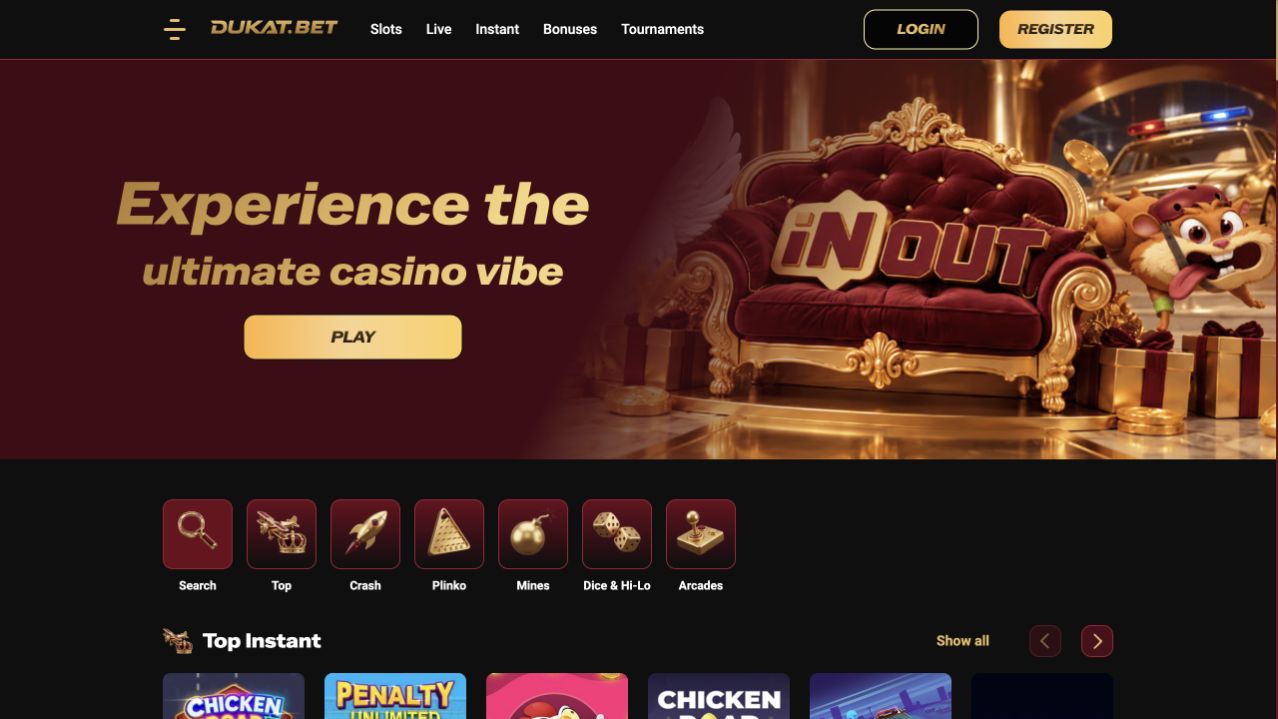
A crash format presents a rising multiplier and a stopping decision under its rules. Plinko follows an object toward a final position. Mines can offer a sequence of hidden reveals and a choice about continuing. Dice, HiLo and arcade labels introduce further structures. Their short presentation does not mean that they share the same settlement, timing or player control. Current reference: Crash, Plinko and instant games.
Use the individual guides to identify the exact edition before comparing settings. A familiar visual theme can conceal a different interaction, while different artwork can surround a similar decision. The useful question is what the next button commits: a fresh paid attempt, a decision within the existing attempt or simply a display change.
Read configurable choices before committing the stake
A Plinko edition may expose row or risk settings; a Mines edition may allow the number of hazards to be chosen. These choices should be read through the particular game's rules, not imported from another provider's version. A larger displayed multiplier describes an associated result, not free additional value. Changes in possible outcomes and their probabilities belong to the full configuration.
Record the selected stake and settings together. If the animation is fast, it can be easy to focus on the outcome while overlooking which configuration was used. Repeated starts create repeated cost even when each individual amount looks small. Session exposure is the sum of those committed attempts, not the cost of the last visible one. Compare this with Dukat.bet game lobby.
Identify the acceptance signal
In a timed format, a cashout instruction and an accepted cashout are distinct events. Read the game's confirmation and round record rather than assuming that pressing the control settles the action. If automatic choices are offered, inspect their trigger and stopping conditions; their existence and meaning cannot be assumed across every title.
A connection interruption can leave the visible animation behind the recorded state. Recover the existing round and check history before beginning another. Keep the title, provider, time and round details when asking support to reconcile an unclear result. Replaying with a new stake does not establish what happened to the previous attempt.
Do not turn verification into prediction
Where a game provides a documented verification mechanism, read what information it uses and which completed result it can check. Cryptocurrency imagery or a crypto payment option does not establish that such a mechanism exists. A verification claim needs the game's own explanation and scope. The relevant operator page is check eligible-game and bonus rules.
Checking a completed random outcome is not a method for predicting the next one. Recent results, a visible losing sequence or a desired recovery amount do not make a future attempt owe a win. Keep the spending boundary independent of the history display and stop rather than increasing activity to make the sequence look balanced.
Carry the right account conditions into the game
An instant category can be treated differently from slots in a promotion. Check the exact game's eligibility, contribution and any excluded modes before using restricted funds. The speed of a round does not imply that it is a quick route to completing an obligation.
Before leaving, distinguish an unfinished attempt from a new start and inspect any automatic-play state that is actually available. The goal of this catalogue route is to make the controls and commitments legible. CasinoDucks does not infer current account availability or a shared RTP from the family name, and the individual rule panel remains necessary for the selected version. For the current interface, see browse Dukat games on mobile.
Find a game by name or studio
Observed public examples, not an exhaustive or permanent inventory. RTP is not inferred from the title. Type a title or provider to filter this list.
68 games